Key takeaways
- How to keep cool in hot weather, in the NHS’s words: “Keep out of the heat if you can”, and if you go out, “stay in the shade especially between 11am and 3pm”.
- “Have cold food and regular cold drinks”, and “avoid alcohol, caffeine and hot drinks” (NHS).
- Cool your skin: “have a cool shower or put cool water on your skin or clothes” (NHS).
- UKHSA says you should start to feel better within 30 minutes of cooling down. If someone is still unwell after 30 minutes of resting somewhere cool, being cooled and drinking fluids, or is confused, has a seizure or loses consciousness, call 999 (NHS).
- Check on people at higher risk: older people, babies and young children, and people with long-term conditions or who live alone.
This page, part of our UK heatwave guide, is about how to keep cool in hot weather: keeping your own body cool, indoors and out, and knowing when the heat has become dangerous. All of it comes from the NHS, the UK Health Security Agency (UKHSA), the Met Office and the Health and Safety Executive. Most of the NHS and UKHSA guidance linked here is written for England; in Wales, Scotland and Northern Ireland, use your own nation’s NHS service.
When to get help
Heatstroke is a medical emergency (NHS).
Call 999 if you or someone else have signs of heatstroke, including (NHS):
- “still being unwell after 30 minutes of resting in a cool place, being cooled and drinking fluids”
- “a very high temperature”
- “hot skin that’s not sweating and might look red”
- “a fast heartbeat”
- “fast breathing or shortness of breath”
- “confusion and lack of coordination”
- “a seizure or fit”
- “loss of consciousness”
“Do not drive yourself to A&E.” (NHS)
UKHSA: “If you think someone has heatstroke you should dial 999 and then try to cool them down.”
Call 111 (NHS) if “you or someone else have symptoms of heat exhaustion that you’re struggling to treat or you need advice about”. You can also use 111 online.
For a baby or child under 5, the NHS says call NHS 111 if “you’re worried about any of your child’s symptoms or do not know what to do”, and lists the signs that need 999 on its page Is your baby or toddler seriously ill?
Stay out of the heat
The NHS says “Keep out of the heat if you can.” If you have to go outside:
- “stay in the shade especially between 11am and 3pm”.
- “wear sunscreen, a hat and light clothes”.
- “avoid exercise or activity that makes you hotter”.
The NHS’s heat exhaustion page adds “wear light-coloured, loose clothing”, “avoid the sun between 11am and 3pm” and to avoid extreme exercise.
Drink and eat to stay cool
- Drink regularly. The NHS says “Have cold food and regular cold drinks”, and to “drink more cold drinks, especially if you’re active or exercising”.
- Avoid the drinks that work against you. “avoid alcohol, caffeine and hot drinks” (NHS). UKHSA says “drink plenty of fluids and limit your alcohol intake”.
- Water-rich food. UKHSA suggests you “drink cool water, a sports or rehydration drink, or eat cold and water rich foods like ice-lollies”.
Cool your skin
- “have a cool shower or put cool water on your skin or clothes” (NHS).
- “apply cool water by spray or sponge to exposed skin” (UKHSA).
- “remove all unnecessary clothing like a jacket or socks” (UKHSA).
- UKHSA adds that “using cold packs wrapped in a cloth and put under the armpits or on the neck can also help”; the NHS says the same.
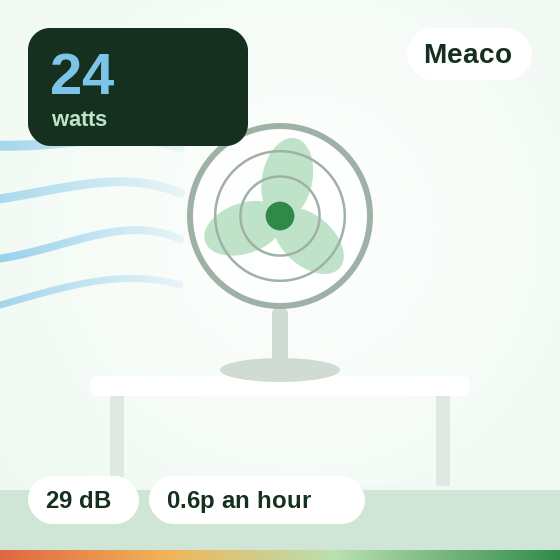
A fan helps while the air is below 35C (NHS, UKHSA), but do not aim it directly at your body: UKHSA says that “can lead to dehydration”. Running one costs little: a 24 W air circulator such as the Meaco MeacoFan 1056 uses 0.024 kWh an hour, which is 0.6p at 26.32p per kWh (Ofgem’s price cap average for Great Britain, 1 October to 31 December 2026). These figures use the Great Britain price cap. In Northern Ireland, use the unit rate on your own bill. See cooling fans.
UKHSA says “You should start to cool down and feel better within 30 minutes.” The NHS says to call 999 for anyone “still being unwell after 30 minutes of resting in a cool place, being cooled and drinking fluids”.
Keep your home cool
A cool home makes everything else easier. In short: keep windows, curtains and blinds shut on the sunny side by day; open windows when the air outside feels cooler than inside, usually in the evening and at night, if it is safe to. Switch off heat sources and sleep in the coolest room. Our guides to keeping your house cool and keeping cool at night cover the home in detail.
Travelling and going out
- Take water. UKHSA: “If you are going out, take a refillable bottle filled with water.” The Met Office: “Make sure you take water with you, if you are travelling.”
- Never leave anyone in a parked car. The Met Office says “Never leave anyone in a closed, parked vehicle, especially infants, young children or animals.” UKHSA warns that “Small, closed spaces such as stationary cars can get dangerously hot very quickly.”
- Open water. “If you are going into open water to cool down, take care and follow local safety advice” (Met Office).
Working in the heat
There is no legal maximum temperature for work. The Health and Safety Executive says “There’s no law for maximum working temperature, or when it’s too hot to work, because every workplace is different.” Indoor workplaces should normally be at least 16C, or 13C where much of the work involves rigorous physical effort, and employers must keep the temperature at a comfortable level (HSE). See workplace temperature law in the UK.
The NHS includes people who work outside or do manual jobs among those most at risk in hot weather.
Who needs extra care, and checking on others
UKHSA says people at higher risk of becoming seriously unwell include “older people aged 65 years and over”, “babies and young children aged 5 years and under”, people with underlying conditions, “particularly heart problems, breathing problems”, “dementia, diabetes, kidney disease, Parkinson’s disease, or mobility problems”, “pregnant women”, “people on certain medications” and “people who live alone and may be unable to care for themselves”.
UKHSA asks everyone to “check on family, friends and neighbours who may be at higher risk of becoming unwell”. The Met Office says “Look out for those who may struggle to keep themselves cool and hydrated.” What to do before and during a heatwave, including the alert colours, is in our heatwave advice; any alerts in force are on our heat-health alerts page.
Heat exhaustion and heatstroke: the signs
| Heat exhaustion | Heatstroke | |
|---|---|---|
| Signs (NHS) | “tiredness”, “dizziness”, “headache”, “feeling sick (nausea) or being sick (vomiting)”, “excessive sweating and skin becoming pale and clammy”, “cramps in the arms, legs and stomach”, “a high temperature”, “being very thirsty”, “feeling irritable” | Still unwell after 30 minutes of resting somewhere cool, being cooled and drinking fluids; a very high temperature; hot skin that is not sweating and might look red; a fast heartbeat; fast breathing or shortness of breath; confusion and lack of coordination; a seizure or fit; loss of consciousness |
| What to do | Move somewhere cool, take off clothing you do not need, drink plenty of water, cool the skin with cool water and a fan. The NHS says it “does not usually need emergency medical help if you can cool down within 30 minutes.” | “Heatstroke is a medical emergency.” Call 999, then try to cool the person down (UKHSA). |
| Who to call | 111 if you are struggling to treat it or need advice | 999 |
Headaches in hot weather have their own page: can a heatwave cause headaches?
Frequently asked questions
What is the quickest way to cool your body down?
Get out of the heat, then cool your skin. The NHS says to “have a cool shower or put cool water on your skin or clothes”, and UKHSA suggests spraying or sponging cool water on exposed skin, removing unnecessary clothing, and cold packs wrapped in a cloth under the armpits or on the neck. You should feel better within 30 minutes; if not, call 999.
What should you drink in hot weather?
Cold drinks, regularly. The NHS says “Have cold food and regular cold drinks” and to “avoid alcohol, caffeine and hot drinks”. UKHSA suggests cool water or a sports or rehydration drink.
Is it better to have a cold or a cool shower in a heatwave?
The NHS and UKHSA advice says cool: “have a cool shower or put cool water on your skin or clothes” (NHS). Neither says anything about cold showers.
What time of day is the sun strongest?
The NHS advice is to “stay in the shade especially between 11am and 3pm”, and to avoid the sun between those hours. Plan time outside for before or after that window.
What are the first signs of heat exhaustion?
The NHS lists tiredness, dizziness, a headache, feeling or being sick, heavy sweating with pale, clammy skin, cramps, a high temperature, being very thirsty and feeling irritable. Move somewhere cool, drink water and cool your skin. If you are not better within 30 minutes, call 999.
Sources
- NHS: Heatwave, how to cope in hot weather (reviewed 12 June 2026) (checked 15 November 2026)
- UKHSA: Beat the heat, staying safe in hot weather (updated 21 July 2026, England) (checked 15 November 2026)
- NHS: Heat exhaustion and heatstroke (reviewed 28 May 2026) (checked 15 November 2026)
- Met Office: Tips for keeping cool in hot weather (checked 15 November 2026)
- HSE: Temperature in the workplace (updated 3 November 2026) (checked 14 November 2026)
- NHS: Is your baby or toddler seriously ill? (reviewed 6 August 2026) (checked 15 November 2026)
- Ofgem: Changes to energy price cap between 1 October and 31 December 2026 (checked 14 November 2026)
- Meaco: MeacoFan 1056 air circulator (checked 14 November 2026)
Products on this page
Meaco
MeacoFan 1056 Air Circulator
24 watts · 29 dB · 0.6p an hour
£99.99 at Meaco (maker shop), checked 14 Nov 2026
See it at Meaco (maker shop)
Figures from the maker or retailer listing. Cost an hour is our own, at the price cap of 26.32p a kWh.